
Healthcare practice financing.
Medical, dental, veterinary and optometry clinics and pharmacies across BC and Alberta. Two purchases, one plan — the practice AND the property it operates from, alongside the build-out, the equipment and the working capital.
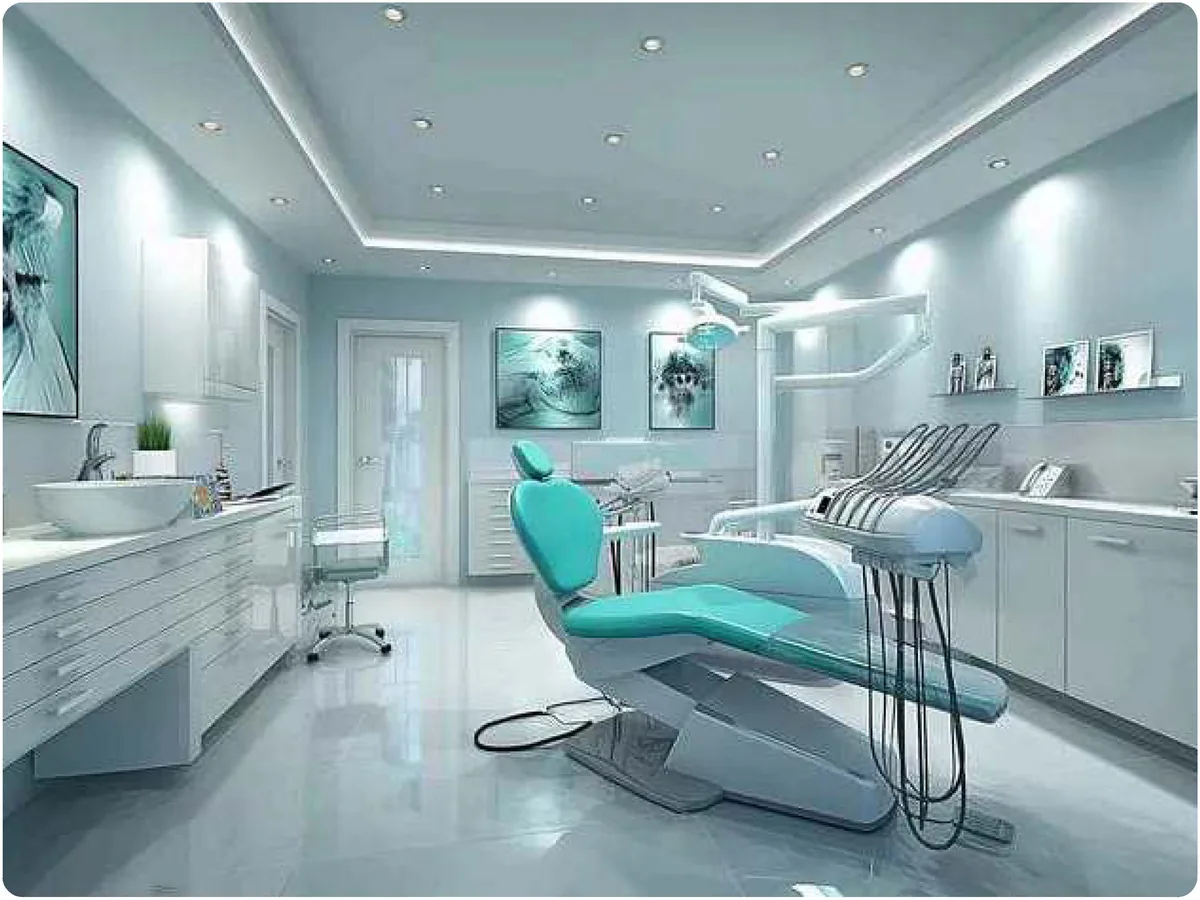
Most clinicians finish training with a licence, a debt load, and no deposit — and assume that means waiting years before owning anything. It usually doesn't. For licensed physicians, dentists, veterinarians, optometrists and pharmacists, practice purchase and start-up are commonly financed to 100% of project cost, with the equipment, the build-out, the first year's working capital and a revolving operating line arranged in the same structure. And the practice is only half of it: the space it operates from can be bought too, financed alongside the practice or on its own once you're established. The question worth asking early isn't whether you can afford the down payment. It's whether the practice you're looking at carries the debt that buys it — and that is a question with a number behind it.
Seven kinds of practice.
Family practice, walk-in, specialist and multi-physician clinics — buying in, buying out, or opening the first location.
General and specialist dentistry — associate buy-ins, full practice purchases, and de novo builds fitted out from bare shell.
Independent retail pharmacy, banner locations and clinic-attached dispensaries — purchase, relocation or expansion.
Companion-animal, mixed and emergency practices, including the surgical and imaging equipment that comes with them.
Eye-care practices and dispensaries — exam lanes, diagnostic imaging and optical retail, bought or built from scratch.
Clinic purchases, associate buy-ins and cold starts. A harder file than the five above — far fewer lenders write it — so leverage is decided on your own numbers rather than a program.
Clinic purchases, partner buy-ins and cold starts. Like chiropractic, written by far fewer lenders, so what a lender will do is settled on your file rather than by a published program.
Everything the practice needs, funded together.
Split across separate applications, these pieces arrive at different times on different terms — and the one that doesn't land is the one that stops you opening. Arranged as a single structure, they don't.
The clinic space itself — a medical or dental strata unit, a standalone building, or the ground floor you already lease. Financed alongside the practice, or on its own later, so rent turns into equity you keep.
Buying an existing book of patients, or a share of one — the goodwill, charts and going concern that make it a practice rather than a room.
Operatories, plumbing, lead-lined rooms, cabinetry, HVAC and everything else that turns bare space into a clinic that passes inspection.
Chairs, imaging, sterilisation, lab and surgical equipment, practice-management software and the servers behind it.
The months before the schedule fills — payroll, supplies, insurance, licensing and marketing, funded rather than absorbed personally.
A revolving line beside the term debt, so receivables timing and a slow month never become a personal-credit problem.
The practice is one purchase. The property is the other.
Almost every clinician we work with is buying a business. Far fewer realise they can buy the space it runs in — and that the two can be financed together, or one after the other, by the same broker who already knows the file.
The strata unit or ground floor your clinic occupies today is often the cleanest purchase you'll ever make — you know the location works, the patients know the address, and the fit-out is already yours.
Premises rent is the largest fixed cost most practices never stop paying, and it rises at every renewal. Owning converts that payment into equity in an asset you keep after you stop practising.
A clinic's value is tied to its address. Owning removes the renewal negotiation, the relocation clause, and the risk of being moved on once your patient base is established.
The property is frequently held in a separate company that leases to the practice. We structure the financing around whatever you and your accountant decide, rather than forcing the ownership to suit the lender.
Medical and dental strata, standalone clinics and mixed-use ground floors each carry their own lender appetite. Purpose-built space with plumbing, lead shielding and parking is not generic retail, and shouldn't be underwritten as if it were.
The practice debt and the mortgage have to coexist — each affects what the other will carry. Arranged by the same person, they're sized against one another instead of colliding at the second application.
Both work. Some files close the practice and the premises together, so the whole project is underwritten as one plan. Others buy the practice first, build two or three years of clinic financials, then buy the building — often the same unit they've been renting. What matters is that the second purchase is anticipated in the first, so the practice debt is structured with room for a mortgage rather than against it. That is a conversation to have at the start, not at renewal.
They also run on different clocks, which is what makes carrying both realistic: the real estate can be amortised over as much as 25 years, while the practice, equipment and build-out are commonly written over about 12. Add the year or two of interest-only that is usually available at the start, and the most expensive months of the ramp-up are the cheapest ones to get through.
Three lanes, depending on the practice.
This is the part most new practice owners do not realise is available: the down payment they were saving toward is usually not required at all — usually, not always, and the piece a lender is most likely to want a contribution against is the goodwill and the leaseholds rather than the building. Capital that would have been locked into a deposit stays where it belongs — carrying the practice through its first year.
Rent is the largest fixed cost most clinics never stop paying. Buying the space converts it into equity in an asset you control — and removes the risk of a landlord who declines to renew once your patients know the address.
Pharmacies reach the same 100% as the other four professions, but they price a little higher, and where a file lands depends on volume, banner arrangements and location. Ask for your own number in writing rather than working off a general figure.
Structures described here are typical patterns for illustration — last reviewed July 2026 — and practice financing is written file by file; every figure is confirmed in writing before you rely on it. If you're also buying the premises, the mechanics are on our owner-occupied commercial page, and equipment specifics live with our equipment financing partners.
Files like yours.
What practice owners ask first.
Is it really possible to buy a practice with no down payment?+
For licensed physicians, dentists, veterinarians, optometrists and pharmacists, practice purchase and start-up are commonly financed to 100% of project cost, so most of the time no down payment is required. Commonly is not always: some lenders will finance 100% against the building and still want a contribution against the goodwill and the leaseholds. Lenders treat the professional licence as the security a deposit would otherwise provide, because default rates in these professions are very low. The exact terms are confirmed in writing on your file before you commit to anything.
Can the equipment and the start-up costs go in the same financing?+
Yes, and they should. Practice purchase, leasehold build-out, equipment, working capital and a revolving operating line are arranged together as one package rather than as separate applications to separate places. One structure, one set of covenants, and no gap where a piece of the project turns out to be unfunded.
How long is each piece paid off over?+
They are deliberately different. The real estate can be amortised over as much as 25 years, like any commercial mortgage — while the practice, equipment and build-out are commonly written over about 12, because that is the working life of what they buy. Splitting them that way keeps the combined monthly payment at a level a ramping practice can actually carry, instead of forcing the building onto a short amortisation.
Can I pay interest only while the practice ramps up?+
Usually, yes — a year or two of interest-only at the start is common on these facilities. The point is cash flow: the months before the appointment book fills are when payroll, rent and supplies are heaviest and billings are lightest, so lowering the payment during exactly that window is what keeps the first year comfortable.
Is there a penalty if I pay it off early?+
Commonly none, and that covers the whole facility — the real estate as well as the practice debt. These are typically written fully open, so you can pay down or clear any part of them whenever the practice is doing well, with none of the prepayment charge a residential mortgage would trigger. A 25-year commercial mortgage you can settle early without penalty is not the norm outside professional lending, which is part of why the structure is worth asking for by name. Confirmed in writing on your own file before you rely on it.
What is the operating line actually for?+
Timing. Receivables arrive later than payroll does, supplies are bought before they're billed, and a new practice's schedule fills gradually. A revolving line absorbs that gap so a slow month is a cash-flow event rather than a personal-credit event.
Does this work for a brand-new practice, not just buying an existing one?+
Both. An existing practice is underwritten on its demonstrated billings; a de novo build is underwritten on your designation, the location, and a defensible projection. Start-ups need a more detailed plan and a longer working-capital runway built into the request, which is exactly why the runway belongs in the financing rather than in your savings account.
Can I finance the practice and the clinic real estate at the same time?+
Yes — and it is one of the main reasons to bring the whole project to one broker. The practice financing and the mortgage on the premises have to coexist, because each affects what the other will carry. Sized together they work as one plan; sized separately, the second application is where people discover the first one used up the room.
Should I buy the clinic space or keep leasing?+
It depends on how long you intend to practise there and what the space costs to own versus rent. Owning removes renewal risk and converts your largest fixed cost into equity you keep after you stop practising; leasing preserves flexibility if the location is unproven. We model both before you sign either — and if you lease now, we structure the practice debt so buying the building in a few years stays open to you.
I'm a veterinarian or optometrist — are my terms the same?+
Yes. Everything on this page applies to veterinary and optometry practices the same way it applies to medical and dental — including the caveat that it is commonly 100% of project cost rather than always, and that a lender may want a contribution against the goodwill and leaseholds: 100% of project cost, the property financed alongside the practice, equipment and build-out included, an operating line beside it, interest-only available early, and fully open. Your licence carries the file in the same way.
I'm a pharmacist — what's different?+
The leverage is the same — pharmacies also commonly reach 100% of project cost with no down payment, with the same caveat that a lender may want a contribution against goodwill and leaseholds — but they price slightly higher than the other professions, and where your file lands depends on dispensing volume, banner or supplier arrangements and the location's catchment. Everything else on this page holds. We put your actual pricing in writing rather than quoting you a general figure.
Does buying a practice affect my ability to get a mortgage on a home?+
It changes the picture rather than closing it. Practice debt and personal guarantees show up in residential underwriting, but physician and dentist mortgage programs are built for exactly this situation — including projected income for those early in practice. Our dedicated physician desk at physicianmortgage.ca covers that side in depth.
Is there a site dedicated to practice financing?+
Yes — healthcarepracticefinancing.ca is our desk for exactly this: practice acquisition, the clinic real estate, equipment, build-out and working capital, with its own calculators for whether a deal qualifies, what a practice is worth and what the financing costs. Same broker and the same licences; it is one firm running a specialist desk for each kind of file. This page is the commercial overview, and the desk is where the subject is covered in full.
Practice in sight? Have these ready.
The earlier the financing is modelled, the more room there is to negotiate the purchase — and the less chance of discovering the equipment budget was never covered.
- Your professional licence and designation, and your CV or years in practice
- The practice's financials — last two to three years, plus year-to-date, if you're buying an existing one
- The purchase agreement or letter of intent, including what's goodwill and what's equipment
- Equipment list and quotes for anything new, with the build-out estimate if you're fitting out
- The premises — the lease with its term, renewal options and rent, or the purchase details and any appraisal if you're buying the space
- Your personal net worth statement and any student or professional debt
- A first-year plan: expected patient or client volume, staffing, and when you expect to be at capacity
- Your accountant's contact — practice financing is structured with them from day one
Buying a practice — or the building? Start with the numbers.
Send the practice's financials and your equipment and build-out estimates — and tell us whether the space comes with it. We'll model the whole package, premises and operating line included, before you sign anything binding.
Buying a home as well? Our physician mortgage desk ↗ covers projected-income and low-down-payment programs for doctors and dentists early in practice.