
Owner-occupied commercial mortgages.
Stop paying your landlord's mortgage — buy the premises your business runs from, underwritten on the business itself. BC and Alberta.
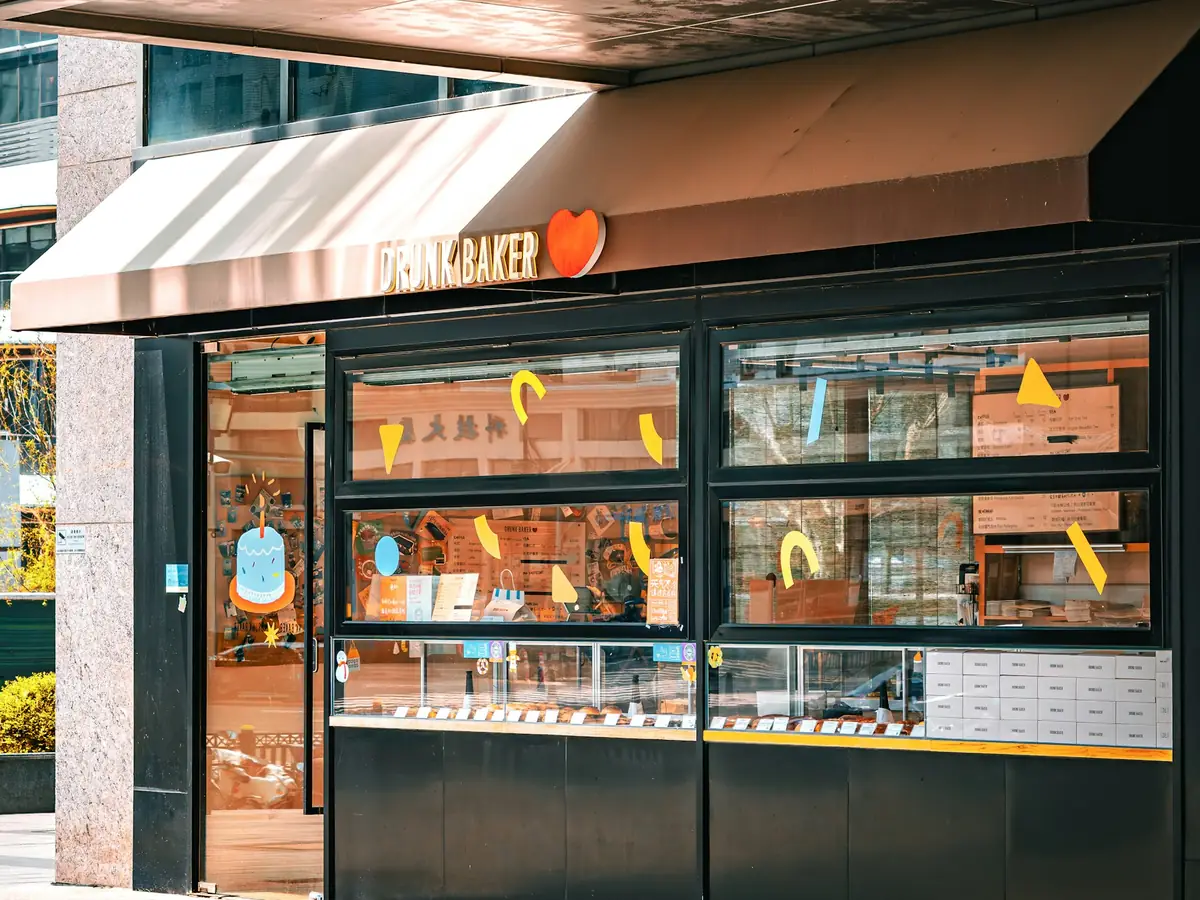
Every month, your rent cheque retires a little of someone else's mortgage. Owner-occupied lending exists to flip that: because your business is both borrower and anchor tenant, the lender underwrites the operation rather than the real-estate market — which is why leverage runs higher, pricing runs better, and specialized buildings that scare investment lenders finance cleanly. The rent-vs-own question isn't sentiment; it's a spreadsheet, and for established businesses it usually only points one way.
The building your business calls home.
The shop, clinic, office, or bay your business already rents — owned instead, with rent becoming equity.
Owner-run industrial from a single strata bay to the whole building — see our industrial pages for asset detail.
Food-service, clinics, salons, and trades premises — underwritten on the operation inside them.
Occupy the majority, lease the rest — tenant income blends into your qualifying.
Equity out of premises you already own — funding expansion without touching the operating line.
The standard architecture: holdco owns, opco rents from it — structured with your accountant.
The whole financing package, not just the building.
When a business buys its premises, the mortgage is one piece. We read the financials first, and more often than not the operating line is too small for the business, the credit cards are too small for the month, the purchase comes with leasehold improvements nobody has planned to fund, the equipment sits on a handful of loans at a handful of rates, and there is a tax balance or a supplier that has waited too long. All of it, and whatever else the statements show, is arranged as one package with one set of approvals, so the day the business owns the premises it is not starved of working capital.
The anchor: the premises, underwritten on the business that will run from it, with the lender lanes compared below.
Reading the financials usually shows the line of credit was sized years ago for a smaller company. It is resized in the same package: arranged with the lender financing the building, or kept where it is and raised where that bank will do it.
Fuel, parts, travel and suppliers run on cards, and an operating card that maxes out every month is a cash-flow problem dressed as a convenience. Limits are set to the business, not to a branch default.
The fit-out that makes the space yours: the kitchen, the operatories, the bays, the counters, the walls and the wiring. Funded as a leasehold-improvement loan beside the mortgage instead of out of the company's cash, so the purchase does not drain the money the business needs to operate.
The machines, the vehicles and the fixtures the operation runs on. New equipment is financed alongside the building through our equipment-finance partners, and the down payment on it often comes out of the real estate.
We go through every loan, lease and card the business already pays: the old equipment loans, the vendor financing, the line opened in a tight year. Where consolidating them into the package lowers the monthly outlay, it is done at the same time, and the cash flow that frees is often the biggest saving in the whole file.
A CRA balance that fell behind, GST or payroll remittances in arrears, suppliers waiting on aged invoices: where the financials show them, they can be paid out from the package so the slate is clean on funding day.
That is the usual list, not the whole one. Whatever else the financial statements show that is costing the business cash flow it does not need to spend goes on the table in the same read.
Seen on a real file: a childcare operator opening its third centre, where the branch offered a $2,000 card increase and the same bank's commercial division approved roughly $1.1 million. Read the case study →
Three ways to own the premises.
The core product: your company's financials do the qualifying, so the building's investment metrics matter less than your operation's strength. The operating line stays untouched.
The federally backed lever that lets a growing business buy premises with minimal cash in — within its dollar caps. Perfect for the strata bay or small building; irrelevant above the cap.
Buys the building on the vendor's timeline, then refinances onto owner-occupied terms once the dust — or the fiscal year — settles.
Rates, ratios, leverage, and program caps are typical figures for illustration — last reviewed July 2026. Run the ownership math with the rent-vs-own-your-shop calculator and commercial payment calculator.
Case Studies — files like this
Why these files belong here: a clinic that bought its premises with the build-out and operating credit financed alongside, a food business that bought its own building when its landlord planned to demolish, and two business owners who kept the building their shops run from after the bank called the loan. Owner-occupied real estate carried each one.
- Case study · Commercial / HealthcareAbout $1.8 Million for a $770,000 North Shore Clinic Purchase: No Down Payment, Open Loans and Two Years Interest-OnlyAbout $1.8 million of approved facilities for a $770,000 North Shore clinic purchase: a $770,000 real estate loan, an $800,000 leasehold loan and a $200,000 line at prime minus 0.25% in 2026, plus a $50,000 card. No down payment, both term loans open and interest-only for two years.Read the file →
- Case study · Commercial / AlternativeThe Landlord Was Demolishing the Building: A Food Business Bought Its Own Commercial Property on Twelve Months of Bank StatementsTold its building would be demolished, a food business bought a retail property of about $1.6 million through a holding company: about $1.2 million at 75% from a commercial program that read twelve months of bank statements, about three points below the private option. Renewed in 2025 under 7%.Read the file →
- Case study · Commercial / PrivateThe Bank Called a $1 Million Loan on Their Commercial Building After Its Annual Review: Refinanced at 65%, Partner Bought Out, Property KeptThe bank called a roughly $1 million loan after its annual review. A one-year, interest-only private commercial mortgage of $1.7 million, about 65% of the roughly $2.6 million appraisal, paid out the bank, bought out the partner for about $420,000 and cleared the cards and the CRA balance.Read the file →
Common own-your-premises questions.
What counts as an owner-occupied commercial mortgage?+
Financing for premises your business operates from — typically when it occupies the majority of the rentable area. The lender underwrites your company's cash flow blended with any tenant income, which is why leverage and pricing usually beat pure investment commercial: the building comes with its anchor tenant built in — you.
How much can my business borrow on its premises?+
Owner-occupied deals usually fund to about 75–80% of value, higher on strong files. Below the program caps, the federal CSBFP can push to 100% of eligible costs — real-property term loans max at $1,000,000 within a $1,150,000 per-borrower limit — which is often the difference between buying this year and renting three more.
Should my business rent or own its building?+
Run the actual numbers — our rent-vs-own-your-shop calculator does exactly this comparison. The pattern: rent is gone forever, while a mortgage payment part-builds equity in a holdco your accountant will thank you for; the trade is the down payment's opportunity cost inside the business. It's arithmetic, not philosophy.
See it on a real file: Food Business Buys Its Own Building →
Can I buy a building bigger than my business needs?+
Yes — occupy the majority, lease the rest, and the tenant income blends into your qualifying. It's a common growth play: the business buys its ceiling-height future, and tenants pay for the patience.
Why buy through a holding company?+
The standard structure — holdco owns the building, your operating company pays it rent — separates the asset from operating risk and sets up estate and tax planning cleanly. We finance inside these structures routinely and coordinate the details with your accountant; expect personal guarantees regardless.
How long does an owner-occupied purchase take to close?+
Plan on 45–75 days conventional — financial review of the business plus appraisal and any environmental set the pace. Where a vendor won't wait, a private bridge closes first and the owner-occupied mortgage follows.
Ready to own it? Have these ready.
Your accountant has most of this — forward the list, or have them call us directly; these files are built together anyway.
- Business financial statements — last 2 years
- T1s/T2s and Notices of Assessment for all owners
- Current lease (what you pay now makes the ownership case)
- The building — purchase contract or refinance details, and roughly what share you'll occupy
- Any tenant leases for space you won't occupy
- Corporate structure — holdco/opco chart from your accountant
- Personal net-worth statement per owner
- Environmental Phase I where the use calls for it — we can order
Your rent is someone's equity. Make it yours.
Send your current rent, the building (or the one you're eyeing), and two years of financials — we'll show you the own-vs-rent math and what your business qualifies for.